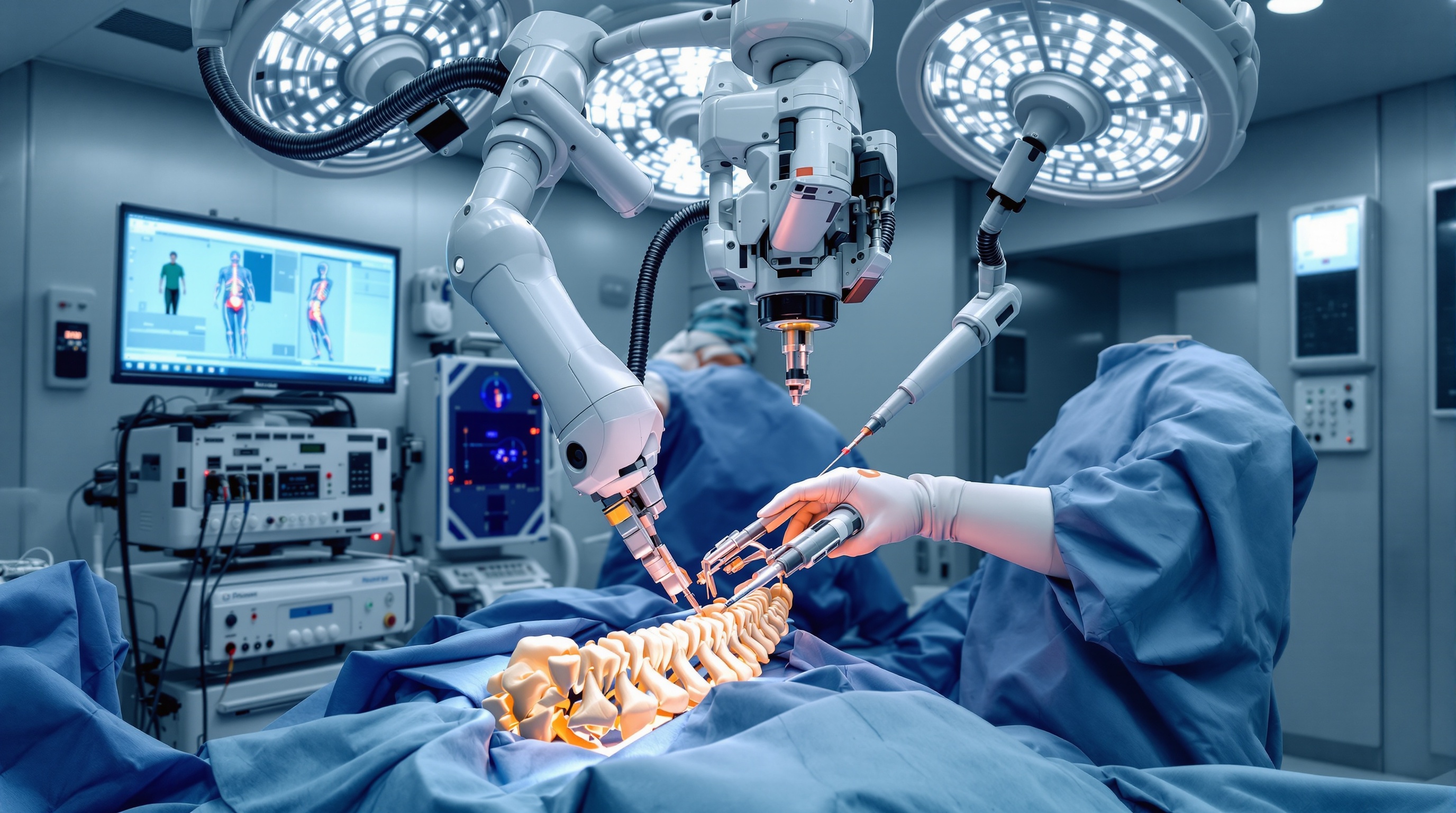
Lumbar Fusion (TLIF/PLIF)

Performed by
Medically reviewedbyMarc Greenberg, MDLast reviewed: June 2026

Quick Answer

Lumbar fusion (TLIF/PLIF) permanently stabilizes the lumbar spine by placing bone graft between vertebrae to promote fusion, relieving pain from instability, spondylolisthesis, or severe degeneration. Screws and rods provide immediate stability while bone fusion heals over 3–6 months.

Lumbar Fusion (TLIF/PLIF) — Greenberg Spine, Fort Wayne

Lumbar fusion permanently joins vertebrae to eliminate painful motion from instability, spondylolisthesis, or degenerative disc disease. Dr. Greenberg uses advanced TLIF and PLIF techniques with robotic navigation for patient-specific outcomes.

When Lumbar Fusion Is Recommended

  • Spondylolisthesis (vertebra slipping forward)
  • Degenerative disc disease with instability
  • Recurrent disc herniation
  • Spinal stenosis with instability
  • Failed conservative treatment for 6+ months

How Lumbar Fusion Works

1

Disc Removal

Remove damaged disc material completely

2

Cage Placement

Insert interbody cage filled with bone graft

3

Instrumentation

Place screws and rods for immediate stability

4

Bone Healing

Graft grows to create permanent fusion

TLIF vs PLIF Approach

TLIF:

Side approach, less nerve retraction, single cage

PLIF:

Posterior approach, bilateral cages, more disc removal

Benefits of Lumbar Fusion

  • Eliminates painful motion
  • Restores disc height and alignment
  • Decompresses pinched nerves
  • Prevents further slippage
  • Fusion healing depends on patient-specific factors
  • Long-term symptom improvement varies by patient

Risks & Considerations

  • Infection, bleeding, or anesthesia complications
  • Nerve injury or continued numbness
  • Pseudarthrosis (failed fusion)
  • Adjacent segment degeneration over time
  • Hardware complications (rare)

Recovery Timeline

Day 0

Surgery Day

Walking same day; 1-2 night hospital stay typical

Week 1-2

Early Healing

Home recovery; walking encouraged; no lifting >10 lbs

Week 4-6

Activity Progression

Return to work (desk jobs); physical therapy begins

3 Months

Fusion Progress

Gradual return to normal activities; fusion developing

Ideal Candidates

  • Confirmed instability or spondylolisthesis
  • Symptoms correlate with imaging findings
  • Failed comprehensive conservative care
  • Good bone quality for fusion
  • Commitment to post-operative restrictions

Alternative Treatments

Conservative Options

  • • Physical therapy and core strengthening
  • • Epidural steroid injections
  • • Facet joint injections
  • • Activity modification and bracing

Surgical Alternatives

Why Choose Greenberg Spine

Fellowship Training

Advanced training at Mayo Clinic, Johns Hopkins, and Brown University

Robotic Navigation

Precision screw placement with 3D navigation technology

Comprehensive Care

From diagnosis through fusion healing and beyond

What to Expect

Pre-Operative

  • • Comprehensive imaging and bone density testing
  • • Medical optimization and clearance
  • • Smoking cessation counseling if applicable

Surgery Day

  • • General anesthesia with neuromonitoring
  • • 3-5 inch incision depending on levels
  • • 2-4 hour procedure duration

Frequently Asked Questions

Ready to Stabilize Your Spine?

Schedule a consultation to discuss if lumbar fusion is the right solution for your condition.

Related Procedures

Related Topics

Learn more about related conditions and treatments

Evidence Snapshot

Research-Backed Benefits

  • Minimally invasive TLIF outcomes show reduced blood loss and shorter LOS
  • Fusion healing may be comparable in selected patients, with tissue disruption depending on technique and anatomy
  • Complication risk depends on patient factors, procedure details, and surgical setting
  • Return-to-work timing depends on job demands, procedure details, and recovery progress

Clinical Evidence

  • Blood loss and LOS vs open studies favor minimally invasive approach
  • Fusion healing depends on bone quality, nicotine status, medical factors, technique, and follow-up recovery
  • Patient satisfaction scores consistently high in follow-up studies

Evidence & Research — FAQs

Does MIS TLIF actually reduce complications?

Studies report less blood loss and hospital stay planning with comparable fusion rates when performed by experienced surgeons. Research demonstrates reduced infection rates, less muscle damage, and recovery compared to open techniques.

How do fusion rates compare to open surgery?

Long-term fusion healing depends on bone quality, nicotine status, medical factors, technique, graft placement, and follow-up recovery. Minimally invasive TLIF may be appropriate for selected patients when decompression and stabilization are both needed.

What factors predict successful fusion outcomes?

Evidence-based predictors include proper patient selection, adequate bone quality, smoking cessation, and optimal graft placement. Studies show that comprehensive preoperative optimization significantly supports fusion healing.

Information is educational, not medical advice. Outcomes vary. Consult Dr. Greenberg for personalized evaluation and treatment recommendations.

MIS TLIF (Transforaminal Lumbar Interbody Fusion)

Minimally invasive fusion procedure for spinal stabilization and decompression

What is MIS TLIF?

MIS TLIF is a fusion procedure where a spacer is placed between vertebrae through small side incisions, combined with screws and rods to stabilize and decompress.

When It's Used

  • Degenerative disc disease with instability
  • Spondylolisthesis
  • Recurrent disc herniation
  • Stenosis with instability
  • Need for both decompression AND stabilization

The Procedure

  • Usually 2 small incisions (one side)
  • Disc removed and replaced with spacer
  • Pedicle screws inserted for stability
  • Rods connect screws
  • Decompress nerves + stabilize spine
  • Procedure time: 90-180 minutes

Advantages (vs. Open TLIF)

FactorMIS TLIFOpen TLIF
Incision1-2 small3-4 inches
Blood loss150-200mL300-500mL
Hospital stay1-2 days2-3 days
Recovery4-8 weeks8-12 weeks
Pain (Day 1)2-3/104-5/10
Success rate80-90%80-90%

Expected Outcomes

  • Pain relief depends on the indication and symptom pattern
  • Patient satisfaction varies by diagnosis, anatomy, and recovery
  • Fusion success depends on bone quality, nicotine status, medical factors, and follow-up healing
  • Long-term outcomes depend on patient-specific factors

Recovery Timeline

  • Surgery day: Home next morning
  • Week 1-2: Light walking, minimal restrictions
  • Week 2-4: Gradual activity increase
  • Week 4-6: Return to work/light activities
  • Week 8-12: Full return to normal
  • Month 3+: All activities unrestricted

Hospital Stay

Usually 1-2 days

Motion Loss

  • Fusion level loses motion (trades motion for stability)
  • Adjacent levels maintain motion
  • Most patients don't notice motion loss

Risks (All Rare)

  • Pseudoarthrosis (non-fusion): 2-5%
  • Nerve injury: <1%
  • Infection: 0.5-1%
  • Bleeding: <1%
  • Adjacent segment disease (long-term): 20-30% over 10 years

Questions About MIS TLIF?

Dr. Greenberg specializes in minimally invasive fusion procedures with patient-specific planning.

Call Dr. Greenberg's Office — (260) 484-1400Request Appointment