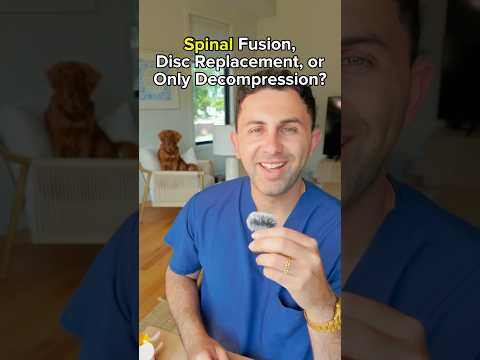
Fusion, Disc Replacement, or Decompression: How Surgeons Decide
Dr. Marc Greenberg explains the anatomy questions that help distinguish decompression, disc replacement, and spinal fusion.
Patient video library
Use these short videos to recognize a symptom pattern, understand why two treatments are different, and ask better questions before a major spine decision.
A video can explain the framework. It cannot diagnose you or decide whether an operation is right for you without your history, examination, and imaging.
New inability to urinate, loss of bladder or bowel control, saddle numbness, or worsening leg weakness can be emergencies. Watch the 24-second guide.
Read the key takeawaysHow a surgeon separates decompression, motion preservation, fusion, and the decision not to operate.
Dr. Marc Greenberg explains the anatomy questions that help distinguish decompression, disc replacement, and spinal fusion.

A practical overview of nonsurgical care that may be reasonable before elective spine surgery—and the warning signs that can change the timeline.

A spine surgeon explains the questions that should be answered before an operation—and why a responsible recommendation can be “not yet” or “no.”

A plain-language look at minimally invasive lumbar decompression: the goal, the smaller-access approach, and why anatomy still decides the technique.
Patterns and situations where recognizing the signal—and the urgency—matters.

A practical spine-safety video about motorcycles, ladders, and head-first diving—three settings where one mistake can have permanent consequences.
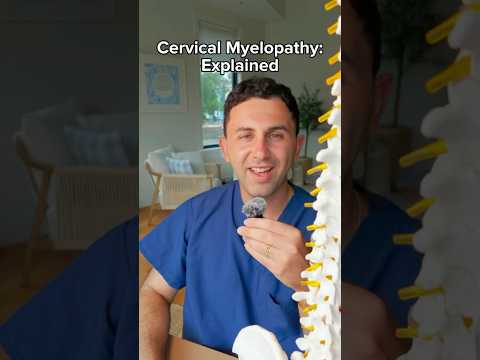
Hand clumsiness and balance changes can be early signs of cervical myelopathy. Learn the pattern that deserves timely evaluation.
Plain-language context for therapy, injections, manual care, PRP, and other common options.

A spine surgeon explains where chiropractic care may fit and which warning signs call for medical evaluation first.

A quick comparison of radiofrequency ablation, chiropractic care, and PRP—and why the diagnosis matters more than a treatment tier list.
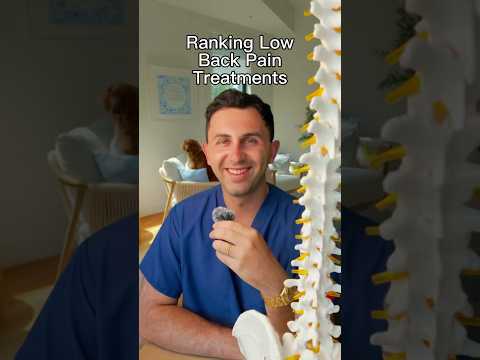
Physical therapy and selective nerve-root injections serve different purposes. Learn what each may contribute to a back or leg pain plan.

Why backs pop, why that sound is not proof of realignment, and when repeated or painful cracking deserves a closer look.

Before paying for PRP for a spine problem, ask what structure is being treated, what evidence applies, what it costs, and how success will be measured.
Why Dr. Greenberg teaches online and how to use these resources responsibly.

Meet Dr. Marc Greenberg and learn why he shares practical spine education online for patients before and after a clinic visit.
Bring your symptoms and imaging to a real evaluation. The goal is a clear explanation of what fits, what does not, and whether surgery belongs in the plan at all.